Porcelain vs. Composite Dental Veneers: Which One Is Right for You?
If you are dreaming of a flawless smile, dental veneers in Canberra are one of the most popular solutions in cosmetic dentistry. These thin, custom-made shells cover the front surface of your teeth to improve colour, shape, size, or length. But once you decide on this treatment, the next question is: porcelain or composite? Both options can deliver stunning results, but they differ in cost, longevity, and the procedure itself. For Canberra residents looking for a long-term smile upgrade, understanding these differences is essential.
At Belconnen Dental Centre, we often help patients weigh up these two types of tooth coverings. Whether you have stained teeth, small gaps, or chips, the right choice depends on your budget, lifestyle, and cosmetic goals. In this guide, we break down porcelain versus composite restorations so you can make an informed decision.
What Are These Cosmetic Shells?
Before comparing materials, let’s clarify what thin laminates do. They are bonded to the front of your teeth to instantly transform your smile. Porcelain laminates are made from high-quality ceramic materials in a dental lab. Composite resin covers are sculpted directly onto your teeth using tooth-coloured material.
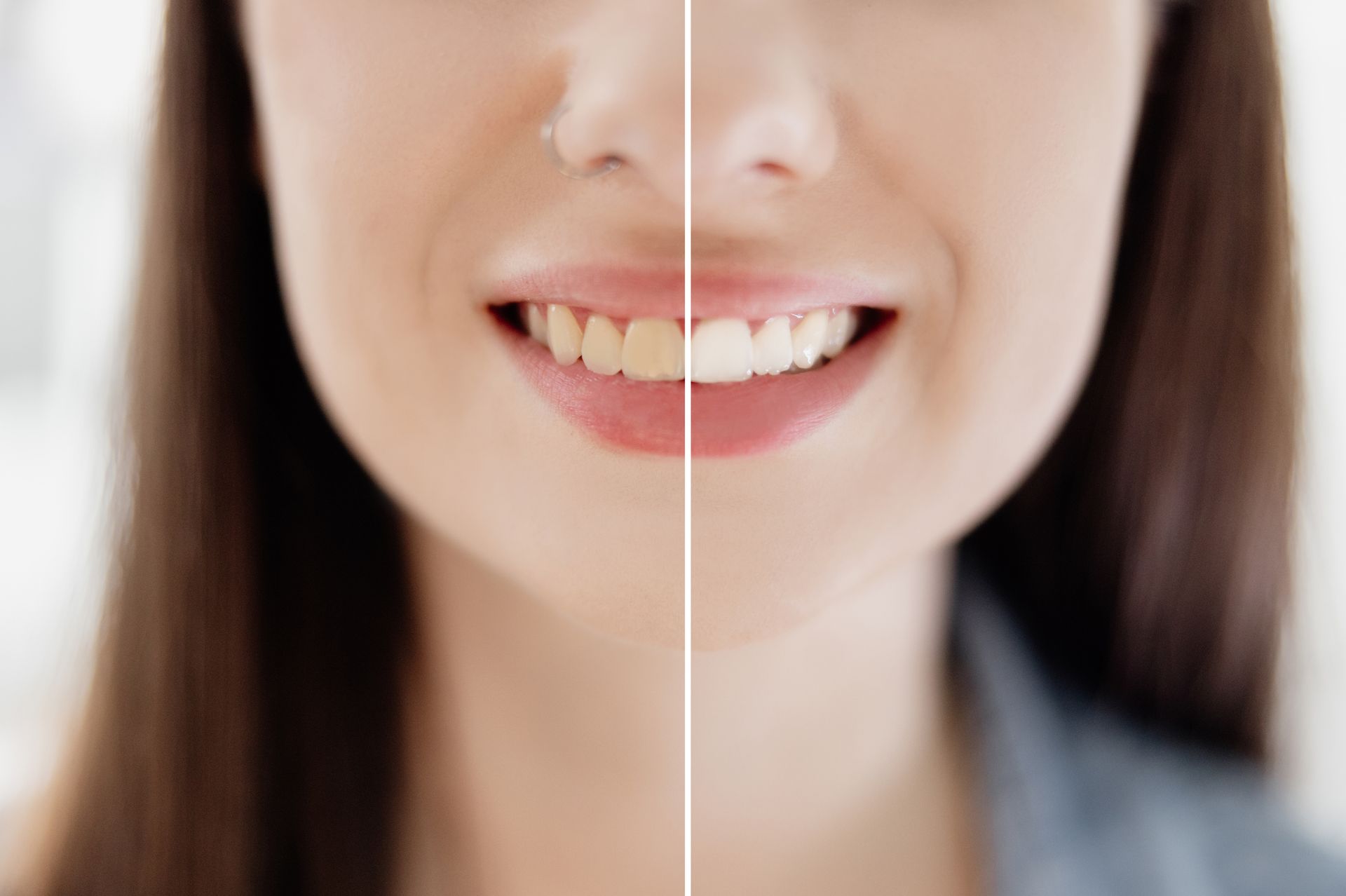
Both types can correct minor misalignments, uneven shapes, and discolouration that whitening cannot fix. They can also close small gaps and repair chipped edges. However, their differences in strength, appearance, and price are significant. Knowing these will help you choose quality veneers that suit your needs for years to come. Your dentist will examine your teeth and discuss which material aligns best with your daily habits and aesthetic desires.
Porcelain Laminates: Strength and Beauty
Porcelain laminates are widely regarded as the gold standard. They are highly resistant to staining and mimic the light-reflecting properties of natural tooth enamel. Each porcelain shell is custom-made from impressions of your teeth, ensuring a precise fit and a natural look. Because they are fabricated in a professional lab, the colour, shape, and translucency can be finely controlled.
Advantages of Porcelain Restorations
- Longevity: With proper care, they last 10 to 15 years or more.
- Stain resistance: Coffee, tea, and red wine won’t easily discolour them.
- Natural appearance: Porcelain closely resembles natural enamel.
- Strength: They are durable and resist wear.
Disadvantages
- Higher cost: Porcelain options are more expensive upfront.
- Irreversible procedure: A small amount of enamel must be removed.
- Two or more visits: You will need temporary covers while the lab fabricates your final set.
Who Should Choose Porcelain?
Porcelain is ideal if you want a long-term investment in your smile, have healthy teeth and gums, and can afford a higher initial cost. They are also excellent if you have teeth grinding habits, provided you wear a night guard. For patients seeking a dramatic, long-lasting smile makeover, porcelain is often the preferred path.
Composite Resin Covers: Affordable and Quick
Composite resin covers are made from a material that is applied directly to your teeth in one visit. Your dentist shapes and polishes the resin to create a natural-looking finish. This direct approach means no lab fees and no waiting for temporary shells.
Advantages of Composite Restorations
- Lower cost: Composite is significantly more affordable than porcelain.
- Same-day results: The entire process is usually completed in one appointment.
- Less enamel removal: Often, minimal to no enamel reduction is required.
- Repairable: Chips or cracks can be easily fixed in a single follow-up visit.
Disadvantages
- Shorter lifespan: Composite lasts 3 to 5 years on average.
- More prone to staining: Resin can discolour over time, especially from coffee or smoking.
- Less durable: Softer material may chip or wear faster.
- Not as strong: Composite may not be suitable for heavy grinding.
Who Should Choose Composite?
Composite is a great option if you have a tighter budget, want instant results, or are testing whether this treatment is right for you before committing to porcelain. It also works well for small touch-ups or single teeth. Many younger patients or those with minor imperfections find composite an excellent starting point.
Cost Differences: Porcelain vs. Composite
Cost is often the deciding factor. In Canberra, porcelain dental veneers typically range from $1,200 to $2,500 per tooth. Composite resin shells are much more budget-friendly, usually $300 to $600 per tooth. However, remember that porcelain lasts three to four times longer. Over a decade, a composite may need multiple replacements, potentially matching or exceeding the cost of porcelain. Your dentist can help you calculate the long-term value based on your oral habits and goals. It is also worth asking about payment plans or financing options, as many practices offer flexibility to help you afford the smile you want.
Decision-Making Criteria: Grinding, Budget, and Longevity
Teeth Grinding (Bruxism)
If you grind or clench your teeth, porcelain is harder but more brittle. Composite is softer and can absorb some pressure, but it will wear down faster. In either case, a custom night guard is highly recommended to protect your thin restorations. Without a guard, even the strongest porcelain can crack under severe grinding pressure.
Budget
For immediate, low-cost results, composite is appealing. But if you can invest more upfront for a solution that lasts over a decade, porcelain is often the better financial choice in the long run. Consider not just the price today but the cost of replacements, maintenance, and your time in the dental chair.
Desired Longevity
Do you want a smile that lasts 15 years with minimal maintenance? Porcelain wins. Are you okay with replacing your covers every few years? Composite may suit your lifestyle. Some patients prefer composite because they like the idea of refreshing their smile design more frequently.
Aesthetic Goals
Porcelain offers superior translucency and colour stability. Composite can look beautiful, but may require more frequent polishing and whitening touch-ups to maintain its appearance. If you have very dark stains or want a Hollywood-level result, porcelain is usually the better match.
The Procedure: What to Expect
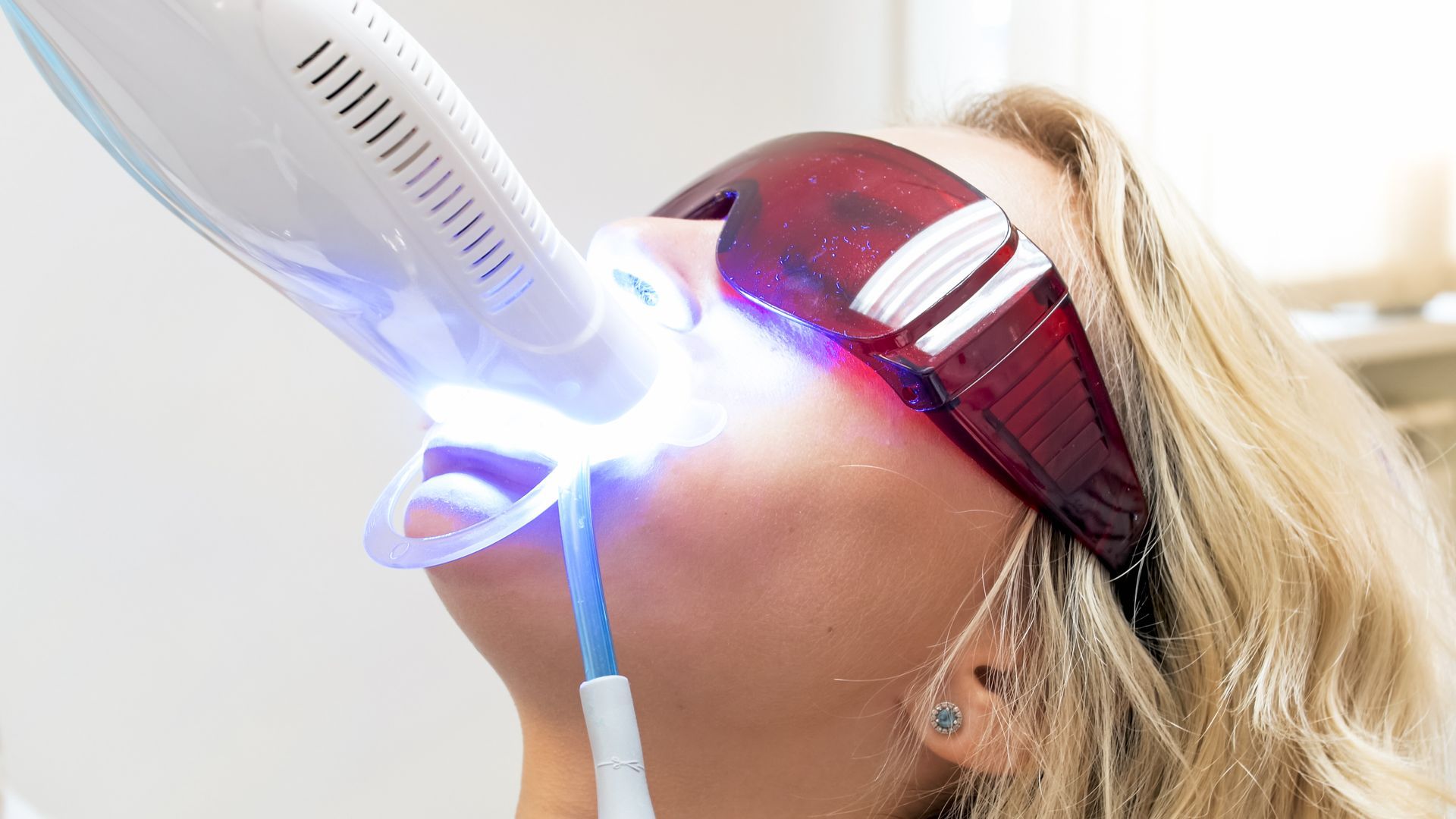
For porcelain dental veneers, you will need two or three visits. First, your dentist prepares the teeth, takes impressions, and places temporaries. The lab fabricates your permanent laminates, and you return for bonding.
Composite resin covers are typically done in one visit. Your dentist applies and shapes the resin layer by layer, using a curing light to harden each layer. Once shaped, the shell is polished. No temporaries or lab fees are involved.
Both procedures require local anaesthesia if enamel removal is needed. Aftercare is similar: brush, floss, and attend regular check-ups. Avoid biting hard objects like ice or pens, regardless of which material you choose.
Ready to Transform Your Smile?
Deciding between porcelain and composite dental veneers is personal. Both options can dramatically improve your confidence and oral aesthetics. The right choice depends on your budget, how long you want your cosmetic covers to last, and whether you grind your teeth at night.
If you are still unsure, a consultation with our dentists can provide clarity. We will examine your teeth, discuss your expectations, and present a tailored treatment plan. There is no pressure, only honest advice to help you smile with confidence. To take the next step, contact us today. Let Belconnen Dental Centre help you achieve the radiant smile you deserve with high-quality tooth laminates that fit your life.